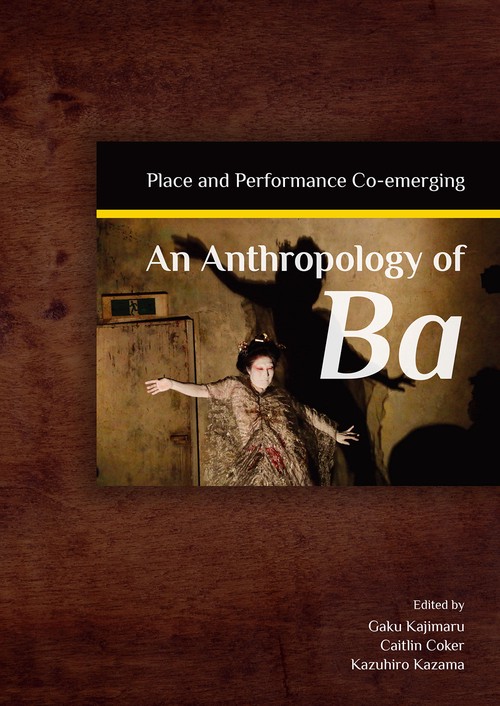
Do places influence human behavior?
In everyday thinking, spaces and places are generally seen as empty vessels where human activity occurs. Digging a bit deeper, we can distinguish spaces from places: places are spaces that have meanings attached an empty room becomes a classroom or a bedroom depending on what people do in it. Focusing on the Japanese concept ba usually translated as ‘place’ these studies recognize that places imbued with social meaning influence human behavior. Ba takes into account the social context, the norms that dictate behavior, the mood of a place, and the individual’s feelings about it. Conceptualized as ba, places limit and direct what we can do, and in the process, shape who we are. Drawing from a wide array of ethnographic studies, this collection illustrates various ways in which place and human agency co-emerge
「場所」とは,ただ,人の活動が行われる空の容器ではない。何もない部屋が,人の行動によって教室になったり寝室になったりするように,人によって何らかの意味が付加されることで,「空間」は「場所」となる。しかもその「場所」は,ただ社会的な意味が込められた「空間」というだけでない。日本語の「場」という概念は,「space」や「place」の持つ,より深い作用を表現する。すなわち「場」とは,社会的な背景,行動を規定する規範,雰囲気,個人の感情などを含めた,人間の行動に影響を与える人を取り巻く何かであり,このように概念化されたとき,「場所」は,私たちができることを制限し,指示し,その過程で私たち自身を形成する空間であることが分かる。
日本の暗黒舞踏や世界中の伝統音楽,伝統舞踊への参与型の民族誌を通し,場所と人間のエージェンシーがいかに共に立ち現れるのかに迫る,気鋭の人類学者による挑戦。