- 発売日:2025/09/26
- 出版社:光村推古書院
- ISBN:9784838198733
1 / 1


Fashioning a New Look for the Meiji Empress and Japan
()
サンプルサンプル
Fashioning a New Look for the Meiji Empress and Japan
Fashioning a New Look for the Meiji Empress and Japan
通常価格
1,980 円(税込)
通常価格
セール価格
1,980 円(税込)
単価
あたり
- 発売日:2025/09/26
- 出版社:光村推古書院
- ISBN:9784838198733
読み込み中...
My店舗在庫
My店舗登録で店頭在庫と店舗お受け取り可否が確認できます。(要ログイン)

店舗在庫
商品説明
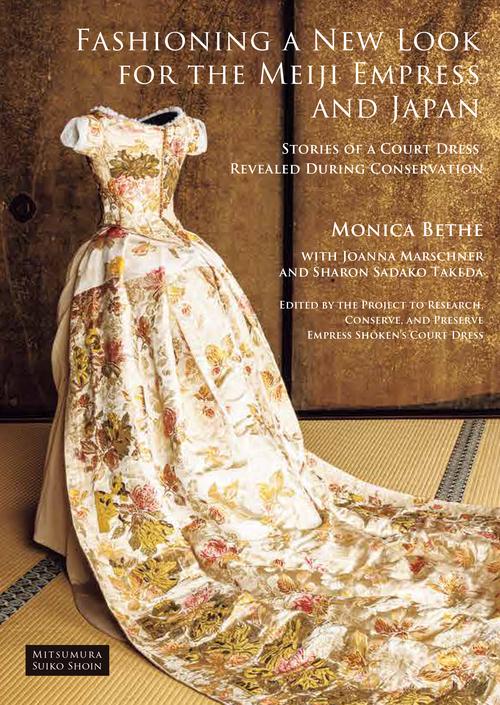
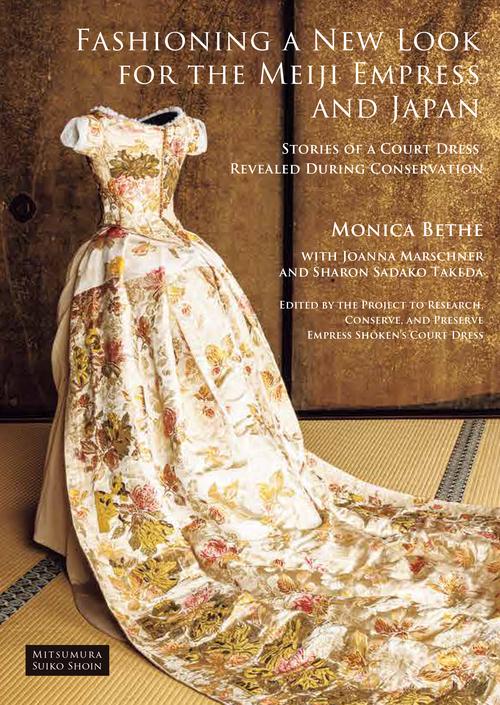
A single court dress takes center stage in the story of its creation, symbolic impact, and discoveries made during conservation that turned presuppositions upside down. Towards the end of her life, Empress Haruko (1849–1914), consort of the Meiji Emperor and best known by her dowager name of Shōken, presented the long train and bodice of one of her court dresses to Daishōji Imperial Convent. Why? Was she returning her first totally Japan-made Western court dress to its source and her birth city? With its elegantly woven rose design embellished with goldwork, was the dress in fact produced in Japan? Fashioned concurrently with the first Japanese modern constitution, the dress was emblematic of the Japanese achievements on the road to modernization. It positioned the empress alongside Western royalty, and placed Japan on the world stage. A hundred and thirty years after its creation, the dress needed conservation work to stabilize the fragile fabric.
Fashioning a New Look for the Meiji Empress and Japan
カスタマーレビュー
honto本の通販ストアのレビュー(0件)
並び順:
1/1ページ